Ally International

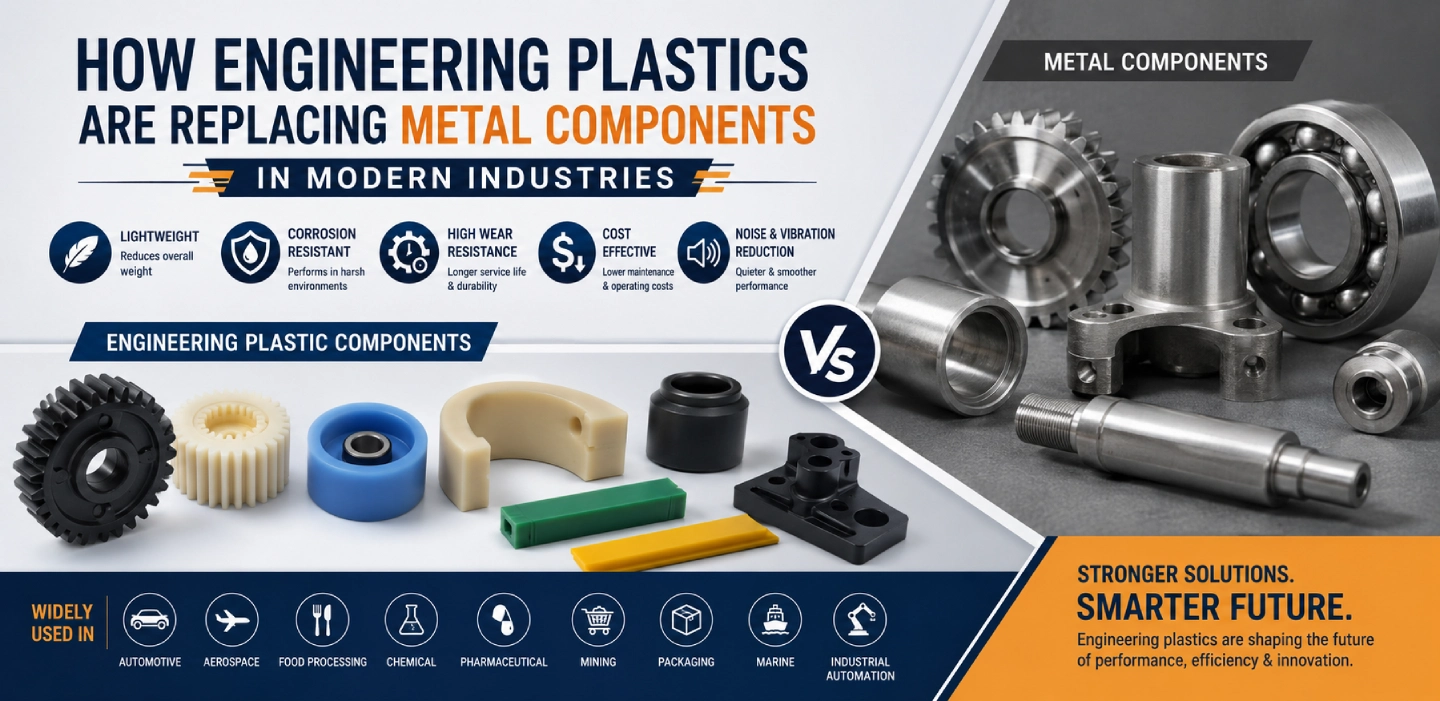
How Engineering Plastics Are Replacing Metal Components in Modern Industries

How Engineering Plastics Are Replacing Metal Components in Modern Industries

For decades, metal has been the preferred material for manufacturing industrial components because of its strength and durability. However, advancements in material science have introduced Engineering Plastics  (https://en.wikipedia.org/wiki/Engineering_plastic)as a high-performance alternative that offers comparable strength with several additional advantages. Today, industries such as automotive, aerospace, food processing, medical, packaging, mining, electronics, and manufacturing are increasingly replacing metal components with engineering plastics to improve efficiency, reduce costs, and enhance product performance. 

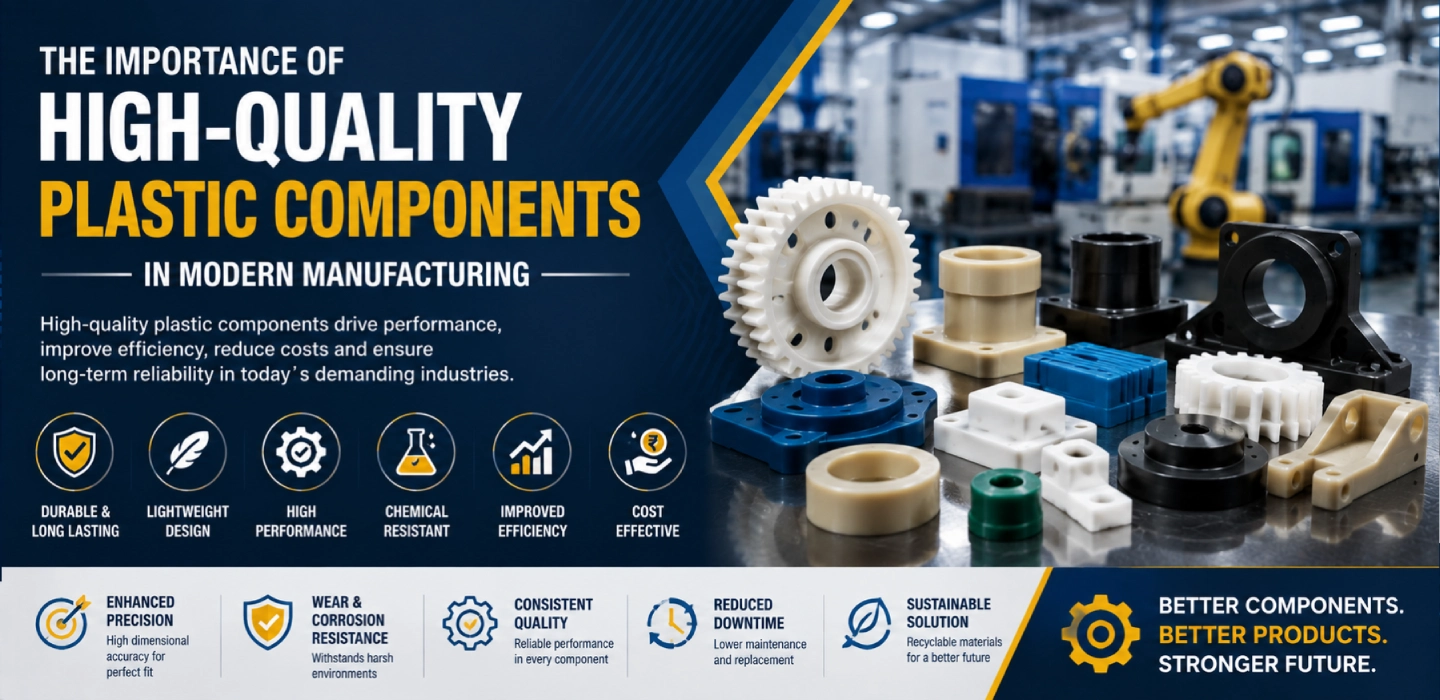
Engineering plastics provide an excellent combination of lightweight construction, high mechanical strength, wear resistance, corrosion resistance, chemical stability, and low maintenance. These properties make them ideal for applications where traditional metal components may be heavy, expensive, or susceptible to rust and corrosion. In this blog, we’ll explore why engineering plastics are replacing metal components, their key benefits, popular materials, industrial applications, and how they are shaping the future of manufacturing.

What Are Engineering Plastics?

Engineering plastics are high-performance polymer materials specifically developed for industrial and engineering applications. These materials can often replace traditional metals because of their excellent mechanical and physical properties.

Common engineering plastics include:

  • Polyurethane (PU)
  • Nylon (PA6 & PA66)
  • UHMWPE
  • PEEK
  • PTFE (Teflon)
  • Delrin (POM)
  • TPU
  • Polyamide Components

These materials are widely used in industries such as automotive, food processing, pharmaceuticals, mining, packaging, construction, and manufacturing.

Why Material Selection Is Important?

the wrong material can lead to:

Choosing

  • Premature component failure
  • Increased maintenance costs
  • Reduced equipment efficiency
  • Frequent replacements
  • Higher production costs
  • Downtime in industrial operations

Selecting the right engineering plastic ensures better performance, safety, and long-term cost savings.

Key Factors to Consider When Choosing an Engineering Plastic

1. Load-Bearing Capacity

  • Different applications require different levels of strength.

    If your component carries heavy loads, choose materials with high mechanical strength.

    Recommended materials:

    • Nylon (PA66)
    • PEEK
    • Polyurethane

    Typical applications:

    • Gears
    • Bushings
    • Bearings
    • Structural machine parts

2. Wear & Abrasion Resistance

  • For high-wear environments, materials with excellent abrasion resistance are essential.

    Best choices:

    • Polyurethane
    • UHMWPE
    • Nylon

    Applications:

    • Conveyor Rollers
    • Wear Pads
    • Scrapers
    • Guide Rails
    • Chutes

3. Chemical Resistance

  • If your components are exposed to chemicals, oils, acids, or solvents, chemical resistance is a critical factor.

    Recommended materials:

    • PTFE
    • UHMWPE
    • PEEK

    Common industries:

    • Chemical Processing
    • Pharmaceutical
    • Food Processing
    • Water Treatment
    • Oil & Gas

4. Operating Temperature

  • Some industrial environments operate at extremely high temperatures.

    Recommended materials:

    • PEEK
    • PTFE

    For moderate temperatures:

    • Nylon
    • Polyurethane

    Always select a material that can withstand the operating conditions without losing its mechanical properties.

Choosing the Right Material Based on Industry

Automotive Industry

Recommended:

  • Nylon
  • TPU
  • Polyurethane

Food Processing

Recommended:

  • UHMWPE
  • PTFE

Mining Industry

Recommended:

  • Polyurethane
  • UHMWPE

Pharmaceutical Industry

Recommended:

  • PTFE
  • PEEK

Packaging Industry

Recommended:

  • Nylon
  • Delrin

Chemical Industry

Recommended:

  • PTFE
  • UHMWPE

Aerospace Industry

Recommended:

  • PEEK

Common Mistakes to Avoid

Avoid these mistakes when selecting engineering plastics:

  • Choosing materials based only on price.
  • Ignoring operating temperature.
  • Overlooking chemical exposure.
  • Not considering wear conditions.
  • Using the wrong material for load-bearing applications.
  • Ignoring maintenance requirements.
  • Failing to consult an experienced manufacturer.

Proper material selection reduces long-term operational costs and improves equipment reliability.

Why Choose Ally International?

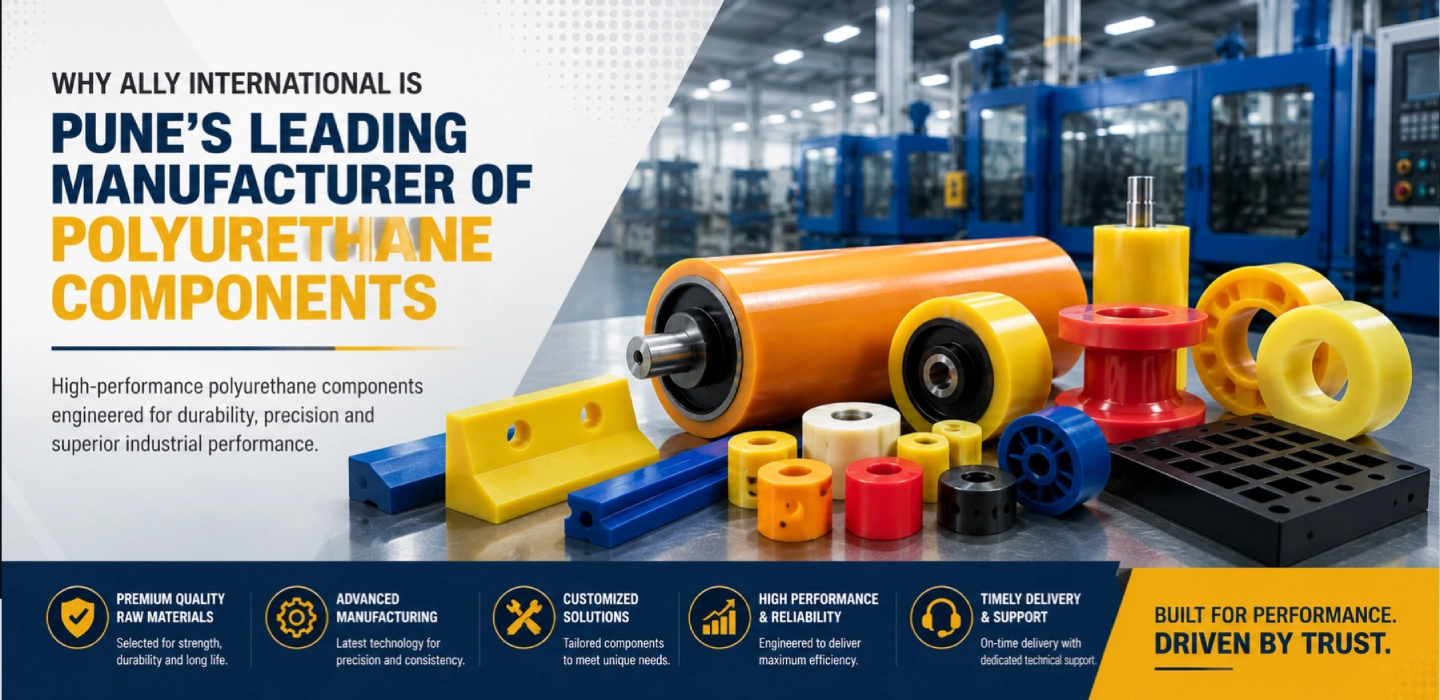
Ally International is a trusted manufacturer of high-quality engineering plastic components for a wide range of industrial applications.

We offer:

  • Custom Engineering Plastic Components
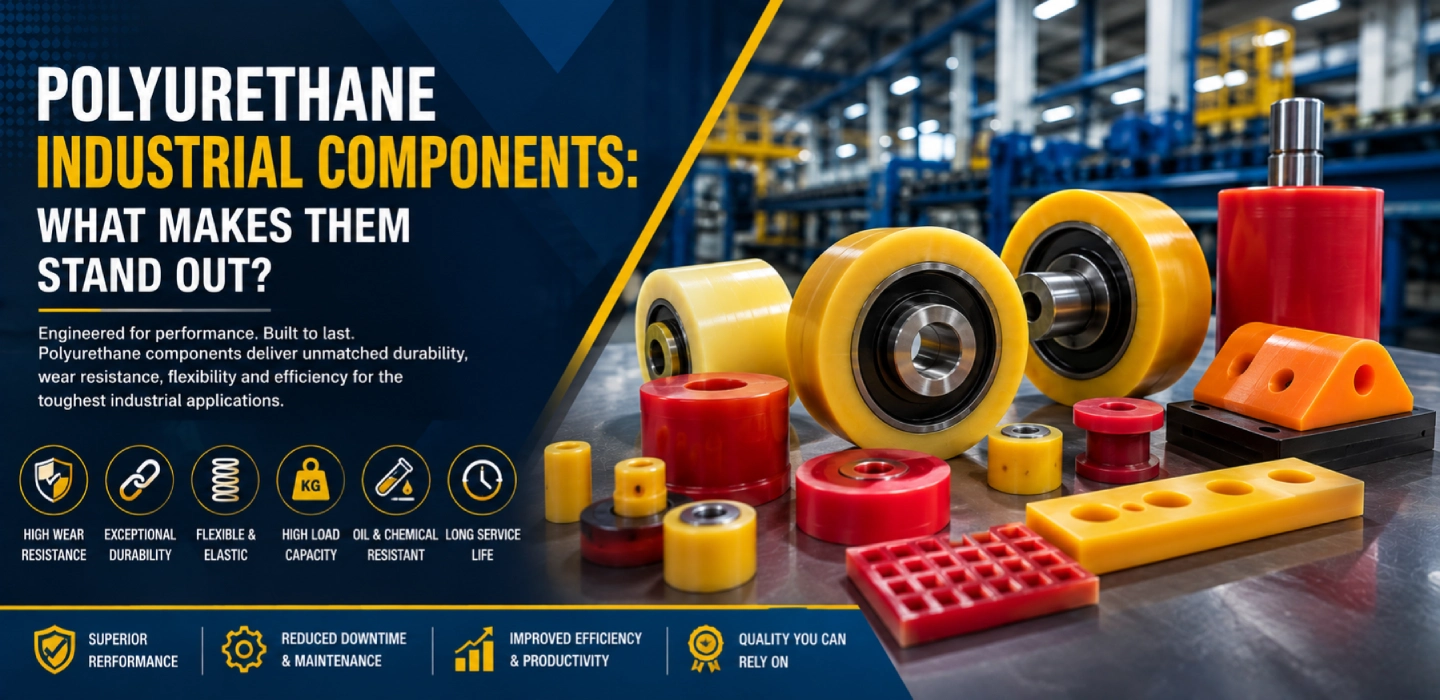
  • Polyurethane Products
  • Nylon Components
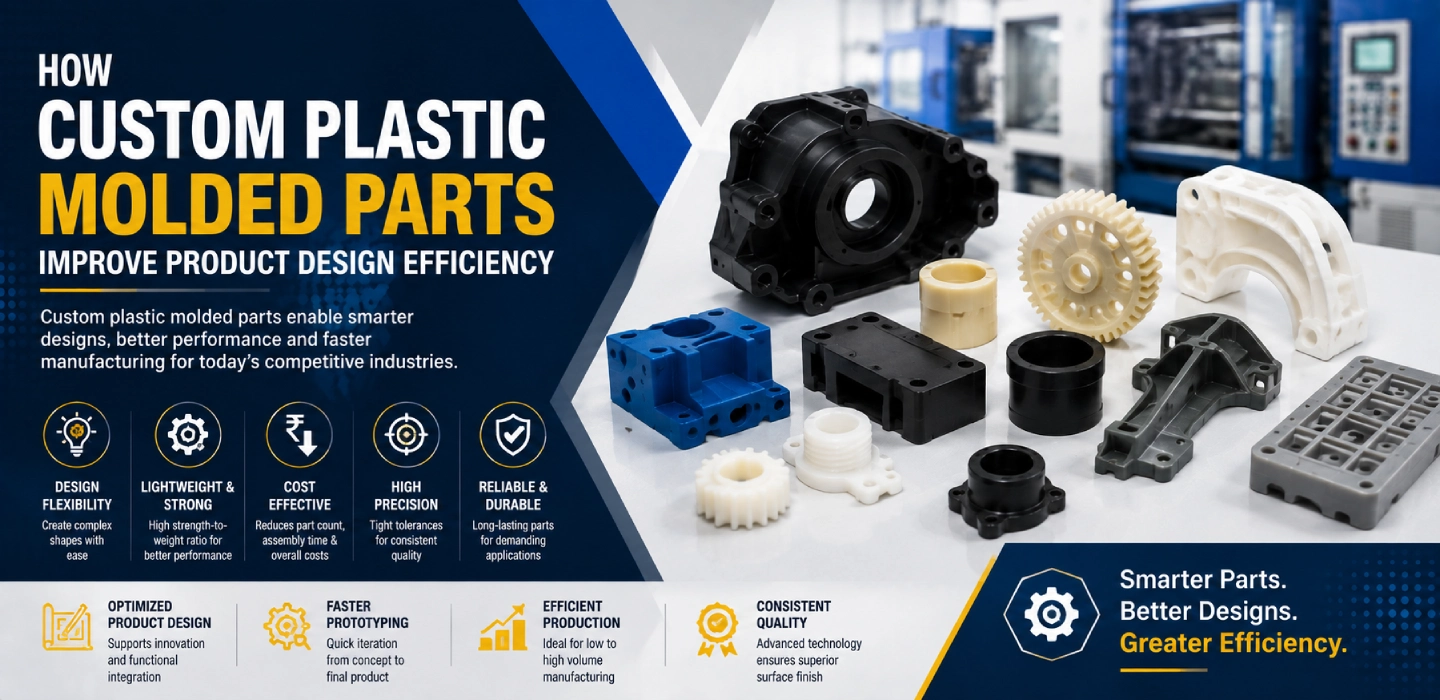
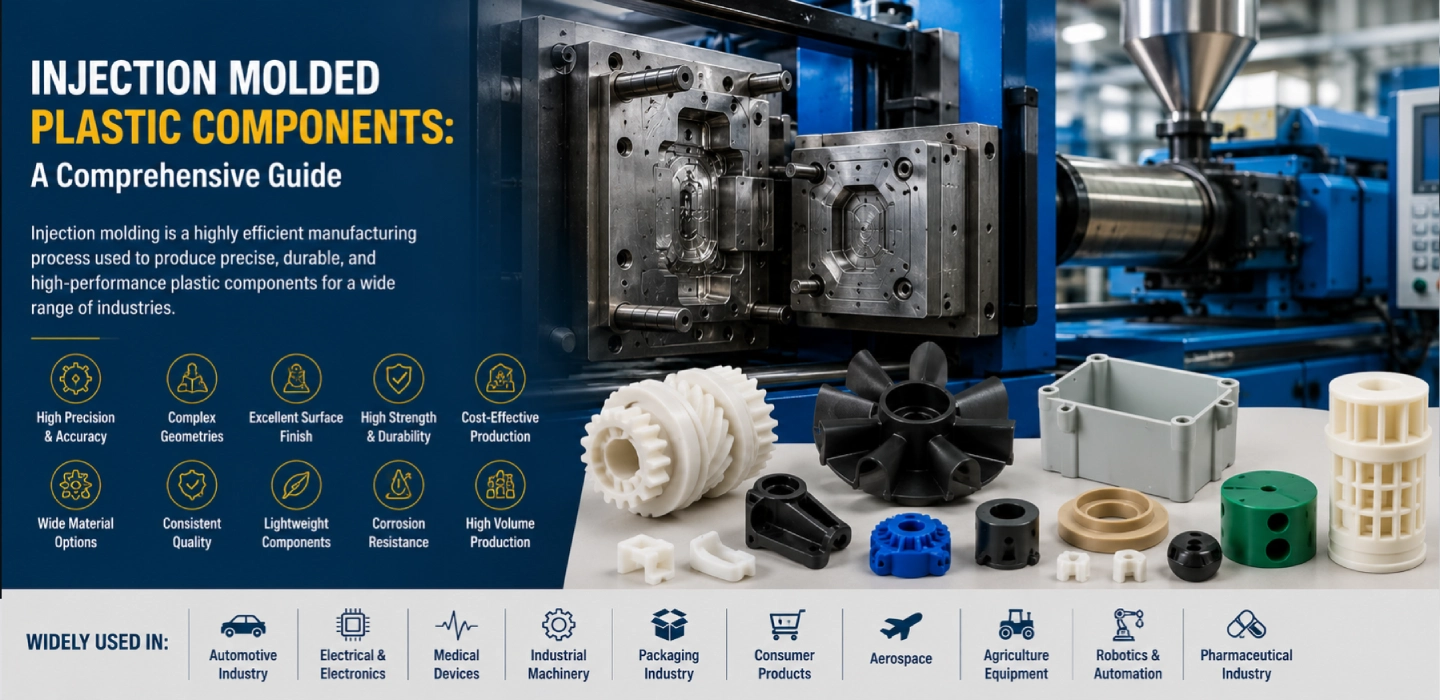
  • PA66 Injection Molded Parts
  • UHMWPE Components
  • PEEK Products
  • TPU Components
  • Precision Injection Molding
  • Technical Material Selection Support

Our experienced team helps customers choose the most suitable engineering plastic based on performance requirements, operating conditions, and budget.

Conclusion:

Choosing the right engineering plastic material is essential for achieving optimum performance, durability, and cost efficiency in industrial applications. Factors such as load-bearing capacity, wear resistance, chemical compatibility, operating temperature, and environmental conditions all play an important role in material selection.

Whether your project requires the toughness of Polyurethane, the strength of Nylon, the low friction of PTFE, the wear resistance of UHMWPE, or the high-temperature performance of PEEK, selecting the correct material ensures longer equipment life and reduced maintenance costs.

By partnering with an experienced manufacturer like Ally International, you gain expert guidance, premium-quality products, and customized engineering plastic solutions tailored to your industrial needs.

Frequently Asked Questions (FAQ)

1. What are engineering plastics?

Engineering plastics are high-performance polymers designed for demanding industrial applications where strength, wear resistance, and durability are essential.

2. Which engineering plastic is best for high-temperature applications?

PEEK and PTFE are excellent choices for applications requiring high-temperature resistance and long-term stability.

3. Which material is ideal for wear-resistant industrial components?

Polyurethane and UHMWPE are widely used for applications requiring excellent wear and abrasion resistance.

4. Can engineering plastics replace metal components?

Yes. Many engineering plastics offer high strength, corrosion resistance, lightweight performance, and lower maintenance, making them an excellent alternative to metal in many industrial applications.

Need Expert Machinery Solutions?

Share your requirements and our experts will help you find the right machinery for your business.


    3

    What's New?

    Recent Post

    How Engineering Plastics Are Replacing Metal Components in Modern Industries August 10, 2026 11:23 am For decades, metal has been the preferred …
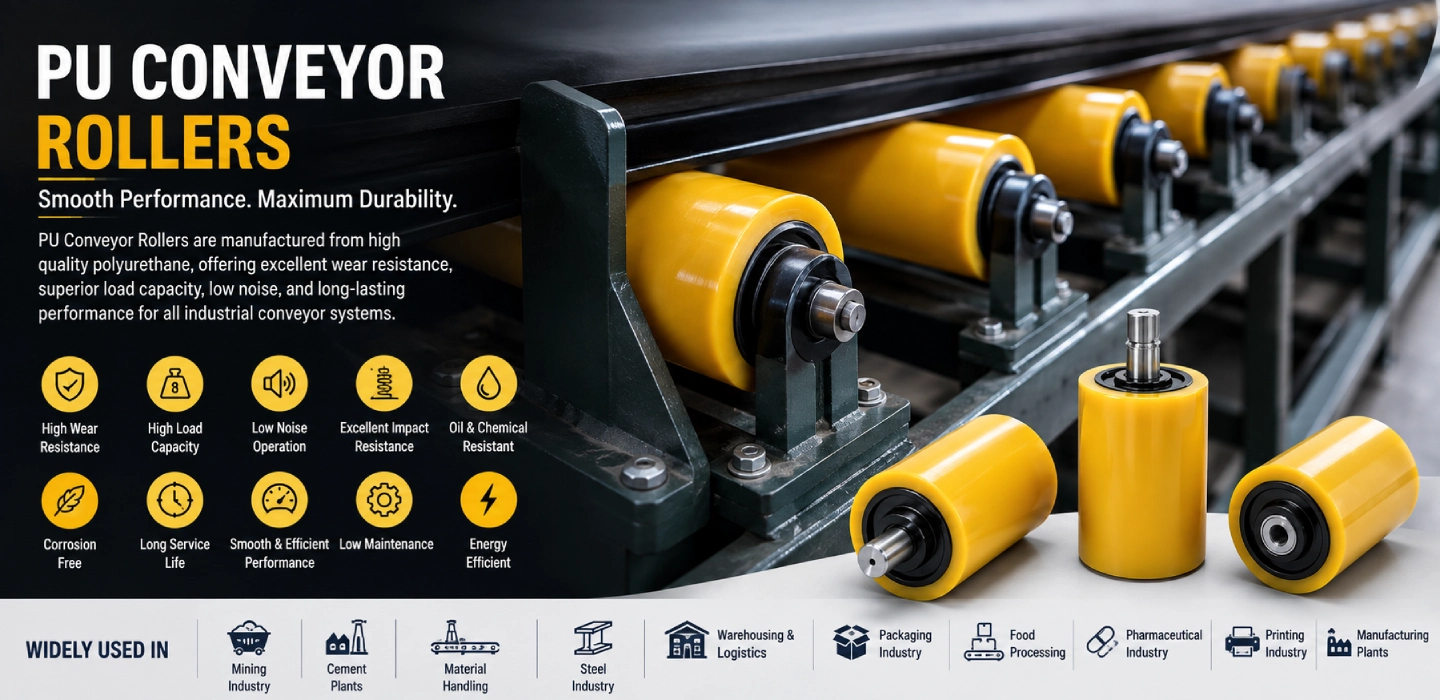
    PU Conveyor Rollers: Reliable Material Handling Solutions for Modern Industries July 12, 2026 11:41 am Efficient material handling is essential for improving …
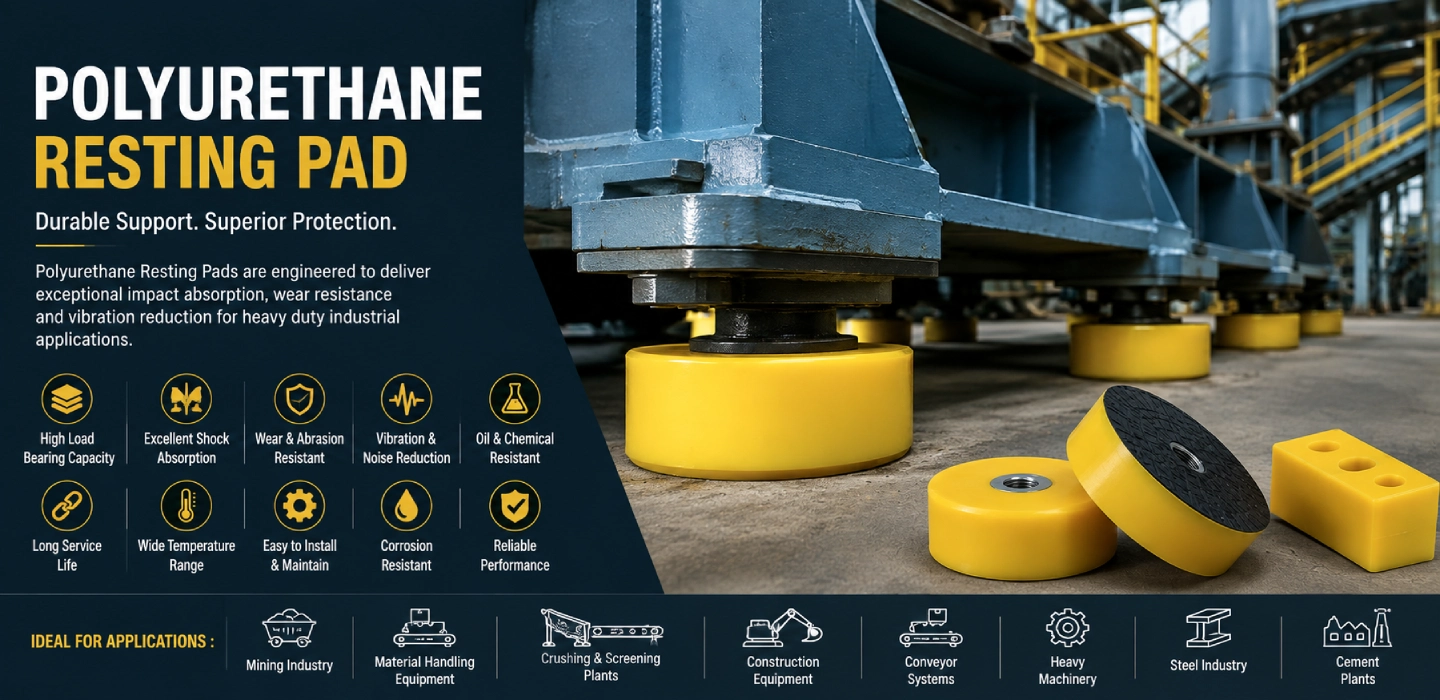
    Polyurethane Resting Pad: High-Performance Support Solution for Industrial Equipment June 10, 2026 11:26 am Modern industrial machinery operates under heavy loads, continuous …
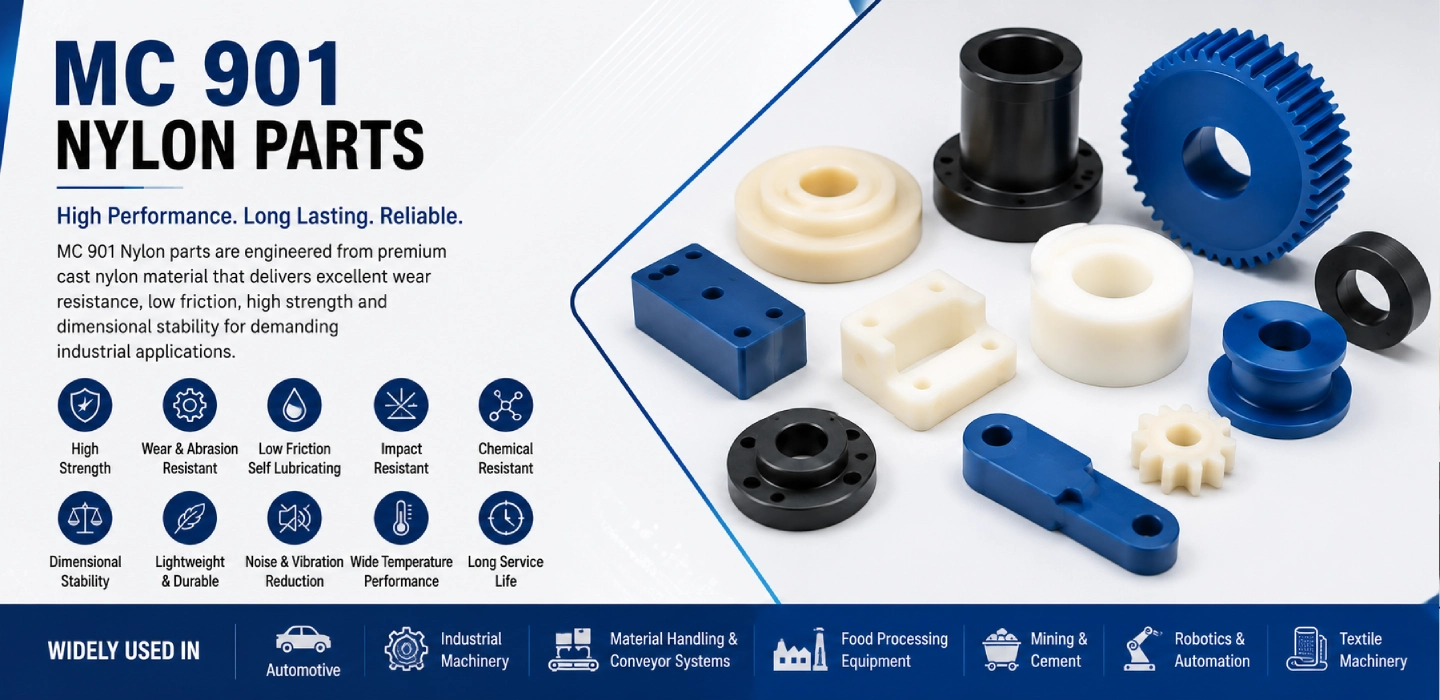
    MC 901 Nylon Parts: Durable Engineering Plastic Solutions for Industrial Applications May 15, 2026 11:03 am Industries that demand durable, lightweight, and …

    Enquiry Here


      Enquiry Here
      Enquire Here


        Enquire Now


          Enquire Now